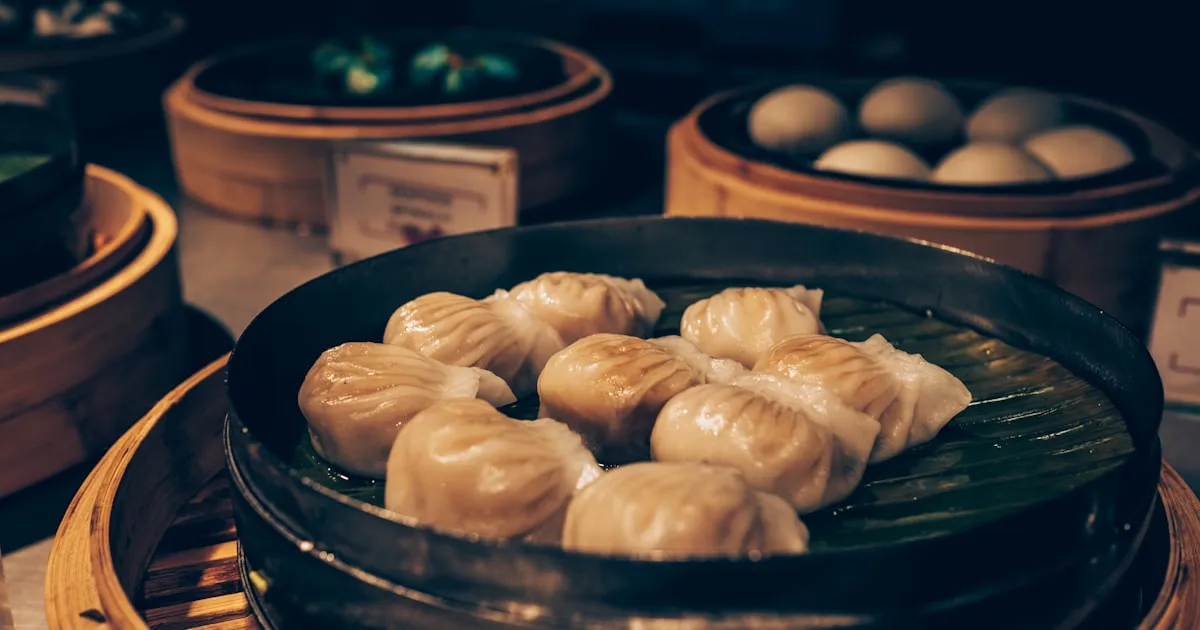
How to Make Cantonese Steamed Beef Meatballs
Cantonese steamed beef meatballs, known as 陈皮牛肉球 (chen pi niu rou qiu), are a beloved dim sum staple found in tea houses across Guangzhou and Hong Kong. Unlike Western meatballs that rely on breadcrumbs and oven heat, these rely on a mixing technique and cornstarch to create a springy, bouncy texture that’s uniquely satisfying.
The secret ingredient is dried tangerine peel (chen pi) - an aged citrus peel that adds a fragrant, slightly bitter sweetness that cuts through the richness of the beef. Combined with crunchy water chestnuts and fresh cilantro, these meatballs deliver layers of flavor and texture in every bite.
Key Takeaways
- Dried tangerine peel is the signature flavor - soak it until soft, then mince finely
- Mix in one direction to develop the sticky protein network that creates the bouncy texture
- Cornstarch (not breadcrumbs) is the binder - it keeps the meatballs tender and silky
- Water chestnuts add the classic crunch found in dim sum restaurants
- Steam, don’t bake - steaming keeps the meatballs juicy and preserves their delicate flavor
How to Make Cantonese Steamed Beef Meatballs
-
Soak the tangerine peel. Place dried tangerine peel in a small bowl of warm water for 15 minutes until softened. Squeeze out excess water and mince finely. This aged citrus peel is the soul of the dish - it adds a fragrant, slightly bitter sweetness that balances the richness of the beef.
-
Build the meat mixture. In a large bowl, combine ground beef, cornstarch, light soy sauce, dark soy sauce, sesame oil, sugar, white pepper, and salt. The cornstarch acts as a tenderizer and helps bind the meatballs without making them dense.
-
Add the aromatics. Fold in the egg white, minced tangerine peel, diced water chestnuts, chopped cilantro, grated ginger, and sliced scallion. Each ingredient serves a purpose: water chestnuts add crunch, cilantro adds freshness, and ginger adds warmth.
-
Mix in one direction. This is the critical step. Stir the mixture vigorously in one direction (clockwise or counterclockwise) for 2 full minutes. This technique develops the myosin protein in the beef, creating a sticky, cohesive paste that produces the signature bouncy texture. Do not switch directions - it breaks the protein network.
-
Shape the meatballs. Wet your hands lightly to prevent sticking. Scoop about 1.5 tablespoons of mixture and roll into smooth, round balls. You should get 24 meatballs. Place them on a parchment-lined steamer basket, leaving about 1 inch of space between each one.
-
Steam to perfection. Bring water to a boil in your steamer, then reduce to a rolling simmer. Place the steamer basket over the simmering water and steam for 10 to 12 minutes. The meatballs are done when they feel firm to a gentle press and the juices run clear.
-
Serve hot. Transfer to a serving plate and serve immediately with light soy sauce and Chinese hot mustard for dipping. In dim sum restaurants, these are often placed on a bed of blanched lettuce leaves for presentation.
Ingredients You Need
- 1 pound (450g) ground beef - use 80/20 lean for the best texture. Too lean and the meatballs will be dry; too fatty and they’ll fall apart during steaming.
- 2 tablespoons dried tangerine peel (chen pi) - available at Chinese grocery stores. If unavailable, substitute with 1 teaspoon of orange zest, though the flavor will be different.
- 3 water chestnuts - fresh or canned, peeled and finely diced. They add the signature crunch.
- 2 tablespoons cornstarch - the traditional binder. It creates a silky, tender texture unlike breadcrumbs.
- 1 tablespoon light soy sauce + 1 teaspoon dark soy sauce - light for saltiness, dark for color.
- 1 teaspoon sesame oil - adds nutty depth.
- 1 large egg white - helps bind and adds lightness.
- 2 tablespoons fresh cilantro - finely chopped, for brightness.
- 1 tablespoon fresh ginger - finely grated, for warmth.
- 1 scallion - finely sliced, for mild onion flavor.
Tips for Perfect Dim Sum Meatballs
The mixing technique matters most. Stirring in one direction aligns the protein strands in the meat, creating the bouncy, springy texture that distinguishes dim sum meatballs from Western-style meatballs. This process takes about 2 minutes of vigorous stirring.
Use cold water to shape. Wet your hands with cold water before shaping each batch. The cold water prevents the fat in the meat from melting and keeps the mixture firm and easy to work with.
Don’t over-steam. Steaming for too long will make the meatballs tough. Check at 10 minutes - they should be firm but still springy when pressed gently.
Dried tangerine peel is worth seeking out. The aged citrus flavor is what makes these taste authentic. Look for it at Chinese grocery stores in the dried goods section. It keeps indefinitely in a sealed container.
Variations
- Shrimp addition: Fold in 4 ounces of chopped raw shrimp for a surf-and-turf version common in some dim sum houses.
- Cilantro-free: Replace cilantro with fresh Chinese chives if you’re one of the people who finds cilantro taste like soap.
- Baked version: For a quicker preparation, bake at 400°F (200°C) for 15 to 18 minutes. You’ll lose the silky steamed texture but gain a lightly browned exterior.
Serving Suggestions
Cantonese steamed beef meatballs are traditionally served as part of a dim sum spread alongside other small plates. For a complete meal at home, pair them with:
- Jasmine rice or congee (rice porridge)
- Steamed Chinese broccoli (gai lan) with oyster sauce
- Chinese steamed pork meatballs for a surf-and-turf dim sum spread
- Lion’s head meatballs (shi zi tou) for a heartier main course
- Sweet soy dipping sauce or Chinese hot mustard
- Chinese tea - chrysanthemum or pu-erh tea is traditional
Storage and Reheating
Store leftover meatballs in an airtight container in the refrigerator for up to 3 days. Reheat by steaming for 3 to 4 minutes until heated through - microwaving works but can make the texture slightly rubbery.
For longer storage, place uncooked meatballs on a parchment-lined baking sheet and freeze until solid (about 2 hours). Transfer to a freezer bag and store for up to 3 months. Steam directly from frozen, adding 3 to 4 extra minutes to the cooking time.
Frequently Asked Questions
What is dried tangerine peel (chen pi)?
Dried tangerine peel, known as chen pi (陈皮) in Chinese, is aged citrus peel that has been dried and stored for months or even years. It develops a deep, complex flavor that’s fragrant, slightly bitter, and intensely aromatic. The older the peel, the more prized it is. In Cantonese cooking, it’s used in braised dishes, soups, and dim sum recipes like these beef meatballs.
Can I use ground pork instead of beef?
Yes, you can substitute ground pork for a more traditional Cantonese flavor. Pork meatballs (猪肉球) are also a common dim sum item. The texture will be slightly softer and richer due to pork’s higher fat content. Adjust steaming time down by 1 to 2 minutes.
Why are my meatballs not bouncy?
The bouncy texture comes from the mixing technique. You must stir the meat mixture vigorously in one direction for at least 2 minutes. This develops the myosin protein network that creates the springy, bouncy bite. If you under-mix or switch directions, the protein network won’t develop properly.
Where can I find dried tangerine peel?
Dried tangerine peel is available at Chinese grocery stores, usually in the dried goods or herbal medicine section. It’s also available online. Look for pieces that are dark brown, fragrant, and pliable when soaked. Avoid pieces that are brittle or smell musty.
Can I make these ahead of time?
You can shape the meatballs up to 24 hours in advance and refrigerate them on a parchment-lined plate covered with plastic wrap. Steam them just before serving. You can also freeze uncooked meatballs for up to 3 months - steam directly from frozen, adding a few extra minutes to the cooking time.