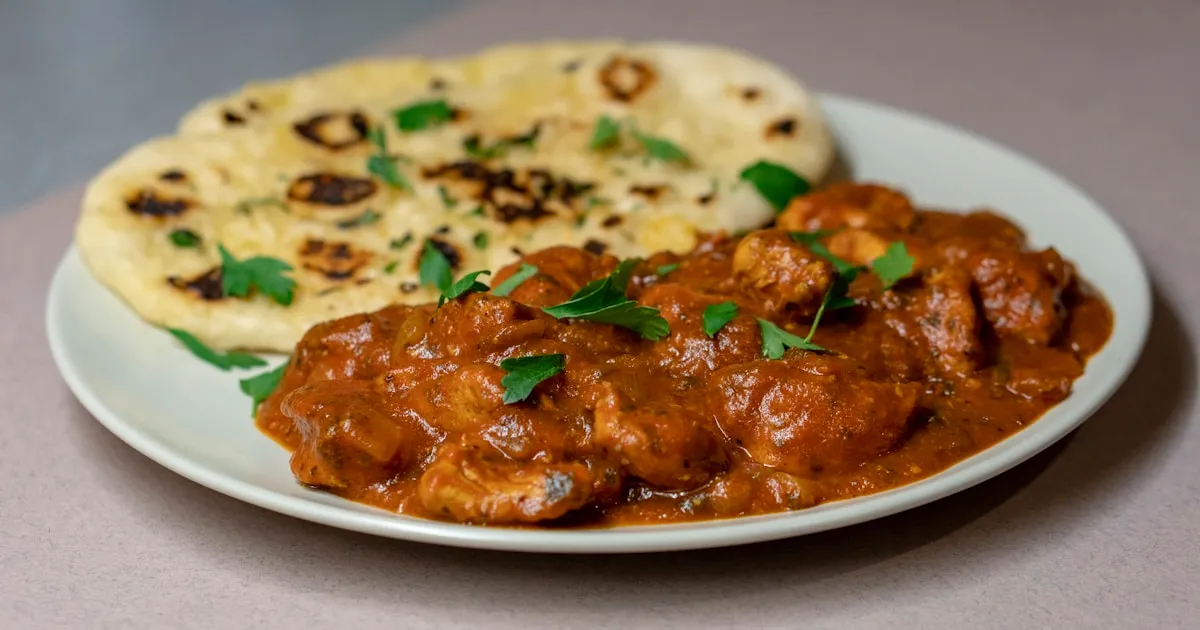
Kare-kare is one of the Philippines’ most beloved celebration dishes - oxtail and vegetables swimming in a thick, nutty peanut sauce, always served with a side of pungent bagoong alamang. This meatball adaptation keeps all the signature flavors while cutting the cook time from three hours to under 45 minutes.
The trick is building the kare-kare sauce first - annatto for color, peanut butter for richness, toasted rice flour for body - then simmering the meatballs directly in it so they absorb every bit of that savory, nutty flavor.
Key Takeaways
- Annatto gives the sauce its signature orange color. Use annatto oil, annatto powder, or annatto seeds steeped in warm water.
- Toasted rice flour thickens and adds nuttiness. Toast it in a dry skillet for 2 to 3 minutes before adding to the sauce - raw rice flour tastes chalky.
- Bagoong alamang is non-negotiable. The salty fermented shrimp paste on the side is what makes kare-kare taste like kare-kare. Do not skip it.
- Simmer meatballs in the sauce, not in water. They absorb the peanut flavor as they cook instead of leaching it out.
- Add vegetables in stages. Eggplant and string beans take longer than bok choy, so stagger them so everything finishes at the same time.
How to Make Kare-Kare Meatballs
-
Make the panade. Stir panko and 2 tbsp warm water in a bowl. Let sit 5 minutes until absorbed.
-
Mix the meatballs. Add ground beef, egg, garlic, soy sauce, salt, and pepper to the panade. Mix gently with your hands until just combined. Stop as soon as the mixture looks uniform - overmixing makes dense, tough meatballs.
-
Shape. Roll into 20 meatballs, about 1.5 inches across. Set aside on a plate.
-
Toast the rice flour. Heat a dry small skillet over medium heat. Add rice flour and stir constantly for 2 to 3 minutes until golden and fragrant. Transfer to a small bowl so it does not burn.
-
Build the sauce. Heat annatto oil in a large deep skillet or Dutch oven over medium heat. Add minced garlic and cook 30 seconds until fragrant.
-
Add liquid and peanut butter. Pour in beef broth, both peanut butters, toasted rice flour, and fish sauce. Whisk until smooth. Simmer 3 to 4 minutes until the sauce thickens and turns a deep orange.
-
Simmer the meatballs. Nestle the raw meatballs into the sauce in a single layer. Cover and simmer 12 to 15 minutes, turning once halfway, until the internal temperature reaches 160F (71C).
-
Add eggplant and string beans. Tuck eggplant half-moons and string bean pieces around the meatballs. Cover and cook 5 to 6 minutes until the vegetables are tender-crisp.
-
Finish with bok choy. Nestle bok choy halves into the sauce. Cover 1 to 2 minutes until the leaves just wilt but the stems stay crisp.
-
Serve. Spoon meatballs, vegetables, and plenty of sauce over steamed white rice. Place a small dish of bagoong alamang on the side for dipping.
Ingredients
Meatballs
| Ingredient | Amount |
|---|---|
| Ground beef, 80/20 | 1 lb (450 g) |
| Panko breadcrumbs | 1/2 cup |
| Large egg | 1 |
| Garlic, minced | 2 cloves |
| Soy sauce | 1 tbsp |
| Kosher salt | 1/2 tsp |
| Black pepper | 1/4 tsp |
Kare-Kare Peanut Sauce
| Ingredient | Amount |
|---|---|
| Annatto oil (or annatto powder + warm water) | 2 tbsp |
| Creamy peanut butter | 3 tbsp |
| Unsalted peanut butter or crushed roasted peanuts | 2 tbsp |
| Toasted rice flour | 1 tbsp |
| Beef broth | 1 cup |
| Fish sauce (patis) | 1 tbsp |
Vegetables and Serving
| Ingredient | Amount |
|---|---|
| Japanese eggplant | 1 medium, sliced into half-moons |
| String beans (sitaw) | 1 cup, cut into 2-inch pieces |
| Baby bok choy | 2 heads, halved |
| Steamed white rice | for serving |
| Bagoong alamang (fermented shrimp paste) | 2 tbsp, for serving |
What Is Kare-Kare?
Kare-kare is a Filipino stew traditionally made with oxtail, tripe, or beef shank simmered in a thick peanut sauce colored with annatto. It originated in the Pampanga region of the Philippines, known as the country’s culinary capital. The dish is a centerpiece of Filipino celebrations - fiestas, birthdays, and Sunday family gatherings.
Unlike most Filipino stews that rely on tomato or soy sauce, kare-kare’s sauce is built entirely on peanuts and toasted rice flour. The result is thick, rich, and mildly sweet - intentionally under-seasoned so the bagoong alamang (fermented shrimp paste) on the side provides the salt and umami. This combination of rich sauce and pungent condiment is what makes kare-kare instantly recognizable.
Tips for Perfect Kare-Kare Meatballs
Toasted Rice Flour Is Worth the Extra Step
Raw rice flour tastes chalky and starchy. Toasting it in a dry skillet for 2 to 3 minutes develops a nutty, roasted flavor that blends seamlessly into the peanut sauce. If you cannot find rice flour, grind raw white rice in a spice grinder or blender until fine.
Annatto for Color and Flavor
Annatto seeds (also called achiote) give kare-kare its signature deep orange color. To make annatto oil, steep 2 tbsp annatto seeds in 1/4 cup warm oil for 15 minutes, then strain. Alternatively, use 1 tsp annatto powder mixed with 2 tbsp warm water. The flavor is mild - earthy and slightly peppery - but the color is what makes the dish look authentic.
Bagoong Alamang Is the Secret
Kare-kare tastes bland on its own. That is by design. The fermented shrimp paste on the side adds the salt, funk, and umami that bring everything together. Serve it in a small dish and let each person add their own. Filipino grocery stores carry it in jars, or order it online.
Eggplant Selection
Japanese eggplant (the long, thin purple variety) holds its shape better than globe eggplant in the sauce. If using globe eggplant, cut into larger chunks so they do not dissolve.
Variations
- Chicken kare-kare: Swap ground beef for ground chicken. Reduce simmer time to 10 minutes since chicken cooks faster.
- Pork kare-kare: Use ground pork for a richer, fattier version. Internal temperature should reach 160F (71C).
- Tofu kare-kare: For a vegetarian version, use extra-firm tofu cubes instead of meatballs. Press, cube, and pan-fry before adding to the sauce.
- Instant pot kare-kare: Brown meatballs on saute mode, add sauce ingredients, pressure cook 8 minutes with quick release, then add vegetables on saute mode.
Frequently Asked Questions
What does kare-kare taste like?
Kare-kare tastes rich, nutty, and mildly sweet with a deep peanut flavor. On its own the sauce is intentionally bland - the salty, funky bagoong alamang (fermented shrimp paste) served alongside provides the salt and umami. The combination is similar to how peanut sauce meets fish sauce in Southeast Asian cooking.
Can I make kare-kare meatballs ahead of time?
Yes. Shape the meatballs and store them raw in the fridge for up to 24 hours, or freeze on a sheet pan then transfer to a zip-lock bag for up to 3 months. Make the sauce separately and reheat it before adding frozen or refrigerated meatballs. Add an extra 3 to 5 minutes of simmering time for frozen meatballs.
What is toasted rice flour and where do I find it?
Toasted rice flour is regular rice flour that has been dry-toasted in a skillet until golden. It thickens the kare-kare sauce while adding a subtle roasted, nutty flavor. You can find rice flour at Asian grocery stores or in the baking aisle of most supermarkets. Toast it yourself - it takes 2 to 3 minutes in a dry skillet.
Is kare-kare the same as peanut stew?
Kare-kare shares similarities with other peanut-based stews across Southeast Asia and West Africa, but it is distinctly Filipino. The combination of annatto for color, toasted rice flour for thickening, and bagoong alamang for seasoning sets it apart. It is also intentionally under-seasoned so the shrimp paste on the side does the heavy lifting.
Can I skip the bagoong alamang?
You can, but the dish will taste flat. Bagoong alamang is the primary seasoning for kare-kare - without it, you are eating peanut sauce with meat. If you cannot find fermented shrimp paste, substitute with a mix of fish sauce and a pinch of sugar, though it will not be the same.
What vegetables go in kare-kare?
Traditional kare-kare includes eggplant, string beans (sitaw), and bok choy (pechay). Some versions add banana blossom (puso ng saging) or cabbage. The vegetables are typically blanched separately and arranged on top, but in this one-pan version they simmer in the sauce for convenience.
Sources
- Panlasang Pinoy - Kare Kare Recipe
- Serious Eats - Kare-Kare (Filipino Curry) Recipe
- Kawaling Pinoy - Kare-Kare
- Kusina Secrets - Filipino Kare-Kare
Related Posts
- Filipino Bola-Bola Meatballs - Crispy pan-fried Filipino pork meatballs
- Filipino Picadillo Meatballs - Ground beef in tomato sauce with potatoes
- Thai Peanut Chicken Meatballs - Another peanut-sauce meatball recipe with a different flavor profile
- Butter Chicken Meatballs - Creamy Indian curry sauce over baked meatballs
- Honey Chipotle Turkey Meatballs Meal Prep - Meal prep bowls with bold sauce