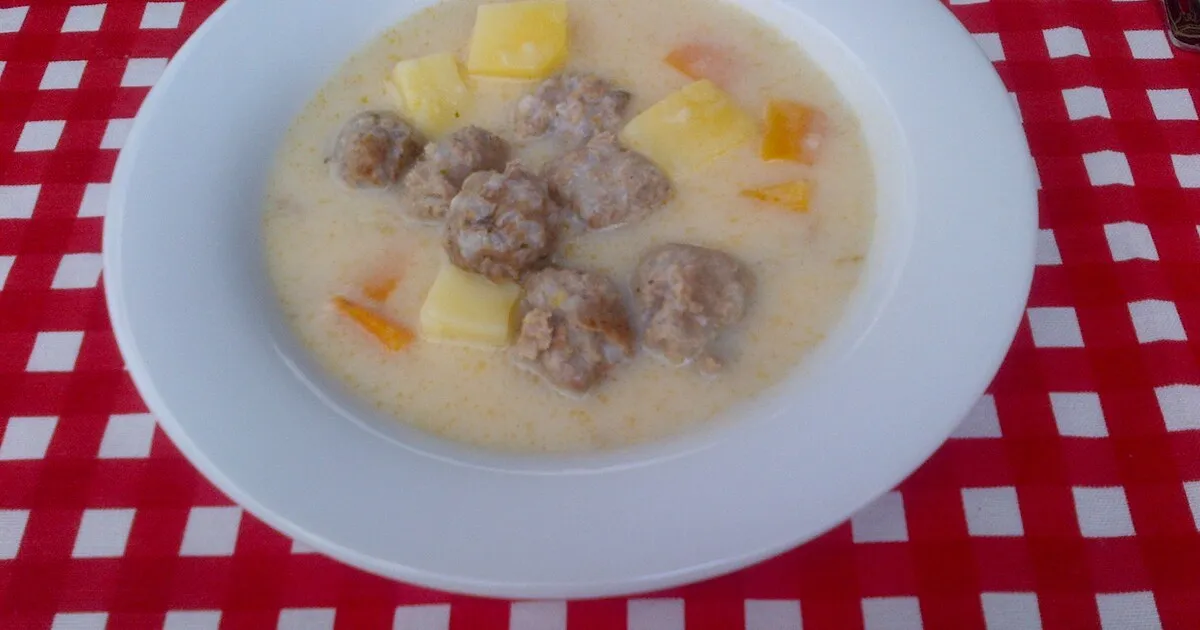
Ekşili köfte - literally “sour meatballs” - is one of the most comforting things Turkish home cooks put on the table. Tiny meatballs bound with rice and grated onion poach in a light broth with potatoes and carrots, and the whole pot gets finished with a lemony egg sauce called terbiye. The result is a soup-stew hybrid that is tangy, silky, and deeply satisfying.
In Thrace, the European corner of Turkey, ekşili köfte is a wedding staple, served in big tureens to feed a crowd. The rest of the country cooks it as everyday comfort food, and every family has its own version - some add tomato paste, some swap the lemon for the tart juice of unripe grapes, and some leave the egg out entirely. The one thing that never changes: the meatballs must be tiny.
This recipe stays close to the classic home version - ground beef with rice and grated onion, rolled into hazelnut-size balls, simmered with potatoes, and finished with a lemon-egg terbiye. It is ready in about an hour, and it is exactly the kind of one-pot dinner you will want on a cold night.
How to Make Ekşili Köfte
- In a large bowl, combine the ground beef, grated onion, rinsed rice, egg, salt, black pepper, cumin, and dried mint. Knead just until combined, about 2 minutes.
- Roll the mixture into hazelnut-size meatballs, about 1/2 inch (1 cm) across, then dust with flour so they don’t stick. You should get 30 to 34.
- Bring the stock to a boil in a large pot. Add the potatoes, carrots, and salt, and cook 10 minutes until the vegetables just begin to soften.
- Drop the meatballs into the simmering broth one by one. Cook 15 to 20 minutes until the rice in the meatballs is tender and the meatballs are cooked through.
- Whisk the egg yolks, lemon juice, and flour in a bowl until smooth. Temper the mixture with a ladle of hot broth, then stream it into the pot while stirring constantly. Simmer gently 2 to 3 minutes - do not let it boil, or the sauce will curdle.
- Melt the butter in a small pan, stir in the pul biber, and drizzle it over the soup. Serve hot with rice pilaf or crusty bread.
Ingredients
For the meatballs:
- 1 lb (450 g) ground beef, 20% fat
- 1/3 cup (65 g) short-grain rice, rinsed and drained
- 1 small onion, finely grated and squeezed dry
- 1 large egg
- 1 tsp kosher salt
- 1/2 tsp black pepper
- 1/2 tsp ground cumin
- 1/2 tsp dried mint
- 1/2 cup (60 g) all-purpose flour, for dusting
For the soup:
- 6 cups (1.4 L) beef or chicken stock, or water
- 2 medium potatoes (about 1 lb / 450 g), peeled and cut into 1/2-inch cubes
- 2 medium carrots, peeled and sliced into rounds
- 1 tsp kosher salt
For the terbiye and garnish:
- 2 large egg yolks
- 1/4 cup (60 ml) fresh lemon juice, from 1 to 2 lemons
- 1 tbsp all-purpose flour
- 2 tbsp butter
- 1 tsp pul biber (Turkish red pepper flakes)
What Is Ekşili Köfte?
Ekşili köfte (also written eksili kofte, and sometimes called ekşili sulu köfte) is a Turkish meatball soup built from two elements: tiny rice-filled meatballs and a sour, silky broth. The word ekşi means sour, and the sourness comes from lemon juice (or verjuice in some regions) mixed into an egg sauce called terbiye that is stirred into the soup at the end.
The meatballs are the signature. They are made small - about the size of a hazelnut, as Daily Sabah notes in its feature on the dish - because the uncooked rice inside needs to cook through in the broth, and small balls do that quickly and evenly. The rice also acts as a binder, keeping the delicate meatballs intact as they poach.
The dish has deep regional roots. In Thrace, the northwestern region of Turkey, ekşili köfte is traditionally served at weddings, cooked in huge pots and ladled into bowls for the whole village. Elsewhere, it is everyday home cooking - a filling, economical meal that stretches a pound of meat into a pot that feeds a family.
Ekşili Köfte vs Sulu Köfte vs Youvarlakia
Ekşili köfte sits in a family of Mediterranean meatball soups that all look similar at a glance. Here is how to tell them apart:
| Dish | Meatballs | Broth | Sour element |
|---|---|---|---|
| Ekşili köfte | Tiny, with raw rice inside | Light stock with potatoes, carrots | Lemon-egg terbiye whisked in at the end |
| Sulu köfte | Small, with rice or bulgur | Thin tomato broth, soupy | Tomato paste, not sour |
| Youvarlakia | Small, with rice | Clear chicken broth | Avgolemono - the Greek lemon-egg sauce |
Sulu köfte is the tomato-based cousin - meatballs poach in a light tomato broth and there is no egg at the end, like this Turkish meatball soup (sulu köfte). Youvarlakia is the Greek version, and its avgolemono sauce is nearly identical to Turkish terbiye, as you can see in this Greek youvarlakia avgolemono soup. The difference is mostly in the seasonings - cumin and mint in the Turkish meatballs, allspice and oregano in the Greek ones.
Tips for the Best Ekşili Köfte
- Use 20% fat ground beef. Lean beef makes dry, crumbly meatballs that break apart in the broth. A beef-lamb blend works beautifully and adds richness.
- Rinse the rice well. Uncooked rice goes straight into the meatballs, so rinse it under cold water and drain it before mixing. Excess starch can make the mixture gluey and the broth cloudy.
- Squeeze the onion dry. Grated onion adds moisture and sweetness, but too much liquid makes the meatballs loose. Squeeze the shreds in your fist before adding them - the same trick used in how to make meatballs generally.
- Keep the meatballs tiny. Hazelnut-size is the point of the dish. Bigger balls need longer cooking, and the rice may not cook through before the meat dries out.
- Don’t skip the flour. Dusting the meatballs seals their surface, keeps them from sticking to each other, and lightly thickens the broth as they cook.
- Never boil after the terbiye goes in. A rolling boil will curdle the egg-lemon sauce and leave you with eggy flecks. Keep it at a gentle simmer, or turn the heat off entirely and let the residual heat finish the job.
Variations
- Nohutlu ekşili köfte (with chickpeas). Add 1 1/2 cups of cooked chickpeas with the vegetables. This is a popular filling version, especially in southeastern Turkey.
- Bulgur meatballs. Swap the rice for 1/3 cup of fine bulgur, soaked in hot water for 10 minutes and squeezed dry. The meatballs get a slightly nutty, firmer texture, as in the sour bulgur meatball version popular in central Anatolia.
- Verjuice (koruk suyu) version. In Gaziantep and the southeast, the sourness often comes from koruk suyu - the tart juice of unripe grapes, the same ingredient Medieval Europe called verjuice. Replace the lemon juice with an equal amount of verjuice for a mellower, fruitier tang.
- Yogurt terbiye. Some home cooks whisk a couple of tablespoons of plain yogurt into the egg-lemon mixture for a creamier sauce. This edges the dish toward terbiyeli köfte, the baked yogurt version already on this site.
- Spicier version. Bloom a full teaspoon of pul biber in the butter, or add a pinch of dried chilli flakes to the meatball mixture.
- More vegetables. Add zucchini rounds or green beans with the potatoes. Frozen mixed vegetables work in a pinch.
What to Serve with Ekşili Köfte
Ekşili köfte is broth-forward, so it pairs with something to soak up the tangy sauce:
- Rice pilaf - the classic Turkish side, often seasoned with a little orzo or vermicelli.
- Bulgur pilaf - a nuttier, more traditional alternative.
- Crusty bread or pide - for dragging through the lemony broth.
- A simple salad - sliced tomatoes and cucumbers with a squeeze of lemon balance the richness.
- Ayran - the salty yogurt drink that cuts through the sour broth.
For more favorites from the same kitchen, browse the full collection of Turkish meatball recipes.
Storage and Reheating
Ekşili köfte keeps for up to 3 days in the fridge in an airtight container. Reheat gently over low heat, stirring often - a hard reheat can curdle the egg sauce. If the soup has thickened, add a splash of water or stock.
Freezing is trickier because of the egg. The terbiye can separate when thawed, so either freeze the soup before adding the egg-lemon sauce (add a fresh terbiye when reheating), or accept a slightly less silky texture and freeze the finished dish for up to 2 months. Thaw overnight in the fridge and reheat gently.
FAQ
What does ekşili köfte mean in Turkish? Ekşili köfte literally means “sour meatballs.” The ekşi (sour) comes from lemon juice or verjuice mixed into the egg sauce called terbiye, which is whisked into the broth at the end of cooking.
Why do the meatballs have rice inside? The uncooked rice cooks in the broth and acts as a binder, keeping the tiny meatballs intact as they poach. It also makes the dish more filling - a little meat stretches a long way. Short-grain rice works best because it stays tender and slightly sticky.
How is ekşili köfte different from sulu köfte? Sulu köfte is the tomato-based version - meatballs poach in a light tomato broth with no egg finish. Ekşili köfte has a pale broth and a lemony egg sauce stirred in at the end. They are close cousins, and both belong to the Turkish meatball soup family.
Can I make it without eggs? Yes. In some regions of Turkey the egg is left out entirely and the sourness comes from lemon or verjuice alone. Whisk a tablespoon of flour into cold water, thicken the broth slightly, then add the lemon juice at the end. You lose some silkiness but keep the tang.
Is ekşili köfte spicy? Traditionally it is not. The heat comes only from the pul biber bloomed in butter on top, and you can dial it down or skip it. The dominant flavors are sour lemon, earthy cumin, and fresh mint.
Can I use ground turkey or chicken? Yes, though poultry makes softer, leaner meatballs. Add a tablespoon of olive oil to the mixture and handle them gently so they hold together in the broth. They also cook slightly faster, so check the rice at 15 minutes.