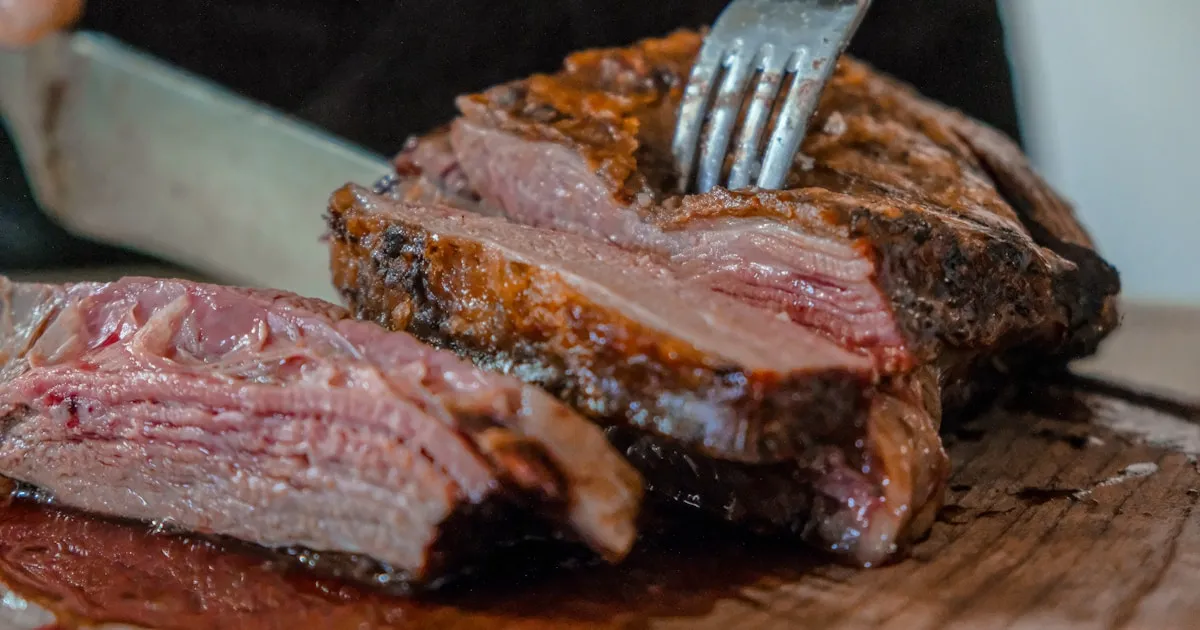
Lithuanian kotletai are tender, pan-fried pork meatballs that every Lithuanian family makes on a Tuesday night. They use milk-soaked bread instead of breadcrumbs, allspice for warmth, and a simple braise at the end to keep them juicy.
Unlike Italian polpette (small, round, marinara) or Swedish meatballs (cream gravy), kotletai are larger, slightly oval, and served with mashed potatoes or buckwheat. The technique is straightforward: soak bread, mix pork, shape into flat ovals, fry until golden, then braise in a covered pan with a splash of water.
Key Takeaways
- Milk-soaked bread (not breadcrumbs) creates the signature tender, pillowy texture.
- Allspice is the key spice - it adds warm, sweet depth without overpowering the pork.
- Slightly flattened oval shape is traditional - not round like Italian or Swedish meatballs.
- Braising in a covered pan with water after frying keeps them juicy all the way through.
- Serve with creamy mashed potatoes, buckwheat, or sauerkraut for an authentic Lithuanian meal.
How to Make Lithuanian Kotletai
- Soak the bread: Tear bread into small pieces, pour milk over, and let sit 5 to 10 minutes until fully softened.
- Sauté the onion: Heat a drop of oil in a skillet over low heat. Cook diced onion 5 to 6 minutes until soft and translucent. Let cool slightly.
- Mix the meat: In a large bowl, combine pork, egg, soaked bread (squeeze out excess milk), sautéed onion, salt, allspice, and pepper. Mix well with your hands.
- Shape the meatballs: Divide into 8 portions. Shape into slightly flattened ovals, not perfect rounds - this is the traditional Lithuanian shape.
- Fry until golden: Heat oil in a skillet over medium heat. Fry meatballs 5 minutes per side until deeply browned.
- Braise until done: Transfer to a pan with a lid. Add water halfway up the meatballs. Cover and cook over low heat 20 to 25 minutes until cooked through.
Ingredients
For the meatballs:
- 1 lb (450 g) ground pork (12% fat for best flavor)
- 1 large egg
- 2 slices white bread, crusts removed
- 1/4 cup (60 ml) whole milk
- 1 medium onion, finely diced
- 1 tsp kosher salt
- 1/4 tsp ground allspice
- 1/4 tsp freshly ground black pepper
For cooking:
- 2 tbsp neutral oil (vegetable or grapeseed)
- 1/2 cup (120 ml) water
Traditional sides:
- Creamy mashed potatoes
- Buckwheat groats
- Sauerkraut or pickled vegetables
- Sour cream for dipping
Why This Recipe Works
The milk-soaked bread is the heart of Lithuanian kotletai. Unlike dry breadcrumbs that absorb moisture from the meat, the pre-soaked bread releases moisture back into the mixture as it cooks. This creates a lighter, more tender meatball that holds together without becoming dense.
Allspice is the signature Lithuanian spice for pork. It adds warm, sweet notes that complement the richness of the pork without competing with it. Just a quarter teaspoon transforms the flavor from generic meatball to distinctly Lithuanian.
The two-step cooking method - fry then braise - gives you the best of both worlds. Frying creates a golden, caramelized crust with deep flavor. Braising in a covered pan with water finishes the cooking gently, keeping the interior juicy and tender while the crust stays intact.
Common Variations
- Beef or beef-pork blend: Pure pork is traditional, but a 50/50 pork-beef mix works well. Adjust cooking time slightly longer for beef.
- Creamy mushroom sauce: After braising, remove meatballs and make a quick mushroom cream sauce from the pan drippings. This is a popular Lithuanian-American variation.
- Baked version: For less oil, shape and bake at 400 F (200 C) for 18-20 minutes, flipping halfway. The crust will be less dramatic but still good.
- Allspice amount: Some families use up to 1/2 tsp allspice for stronger flavor. Start with 1/4 tsp and adjust to taste.
Storage and Leftovers
- Fridge: Cooked kotletai keep 3-4 days in an airtight container.
- Freezer: Freeze cooked meatballs in a single layer on a baking sheet, then transfer to freezer bags for up to 3 months. Reheat from frozen in a covered pan with a splash of water over medium-low heat.
- Reheat: Best reheated in a covered pan with a little water to restore moisture. Microwave works but softens the crust.
Frequently Asked Questions
What makes Lithuanian kotletai different from other meatballs?
The milk-soaked bread instead of breadcrumbs, the use of allspice as the signature spice, the slightly flattened oval shape, and the two-step fry-then-braise cooking method all set kotletai apart from Italian polpette, Swedish meatballs, or German frikadellen.
Can I use ground beef instead of pork?
Yes. Ground beef works, though the texture will be slightly denser. For a closer match to the traditional flavor, use a 50/50 blend of ground pork and ground beef.
What is allspice and where do I find it?
Allspice is a single spice made from dried unripe berries of the Pimenta dioica plant. It tastes like a combination of cinnamon, nutmeg, and cloves. Find it in the spice aisle of any grocery store - it is a common baking and cooking spice.
Why do you braise the meatballs after frying?
The braising step ensures the meatballs are cooked through without drying out. The gentle steam from the water keeps them juicy while the lid traps heat. This two-step method is common in Eastern European cooking for thicker meat patties.
What sides go with Lithuanian kotletai?
Traditional sides include creamy mashed potatoes, buckwheat groats, sauerkraut, or a simple green salad. Sour cream is a common condiment. Some families serve them with stewed cabbage or pickled vegetables.
Can I make kotletai ahead of time?
Yes. You can shape the raw meatballs and refrigerate them for up to 24 hours before cooking. You can also freeze the shaped raw meatballs on a baking sheet, then transfer to a freezer bag for up to 3 months. Cook from frozen, adding 5-10 minutes to the braising time.
Sources
- Taste of Lithuania - Lithuanian Meatballs (Kotletai)
- Simply Ieva - Meatballs Lithuanian Style
- Food.com - Scottish Meatballs